Ecological Restoration
Bringing native bushland back to health.
Restoring degraded ecosystems requires environmental scientists, qualified horticulturists and systematic management that addresses plant communities, soil dynamics, and long-term ecological recovery.
Our approach
Environmental expertise meets practical delivery
Environmental scientists and qualified horticulturists work together to understand each site's unique ecological context. We assess plant communities, soil health, weed species, and native vegetation health before designing restoration plans that work long-term.
Detailed reporting happens on every site, with issues flagged early and communicated clearly. Clients receive timely status updates without chasing information, and jobs get attention before issues become problems. That systematic approach is what turns ambitious restoration goals into thriving ecosystems.
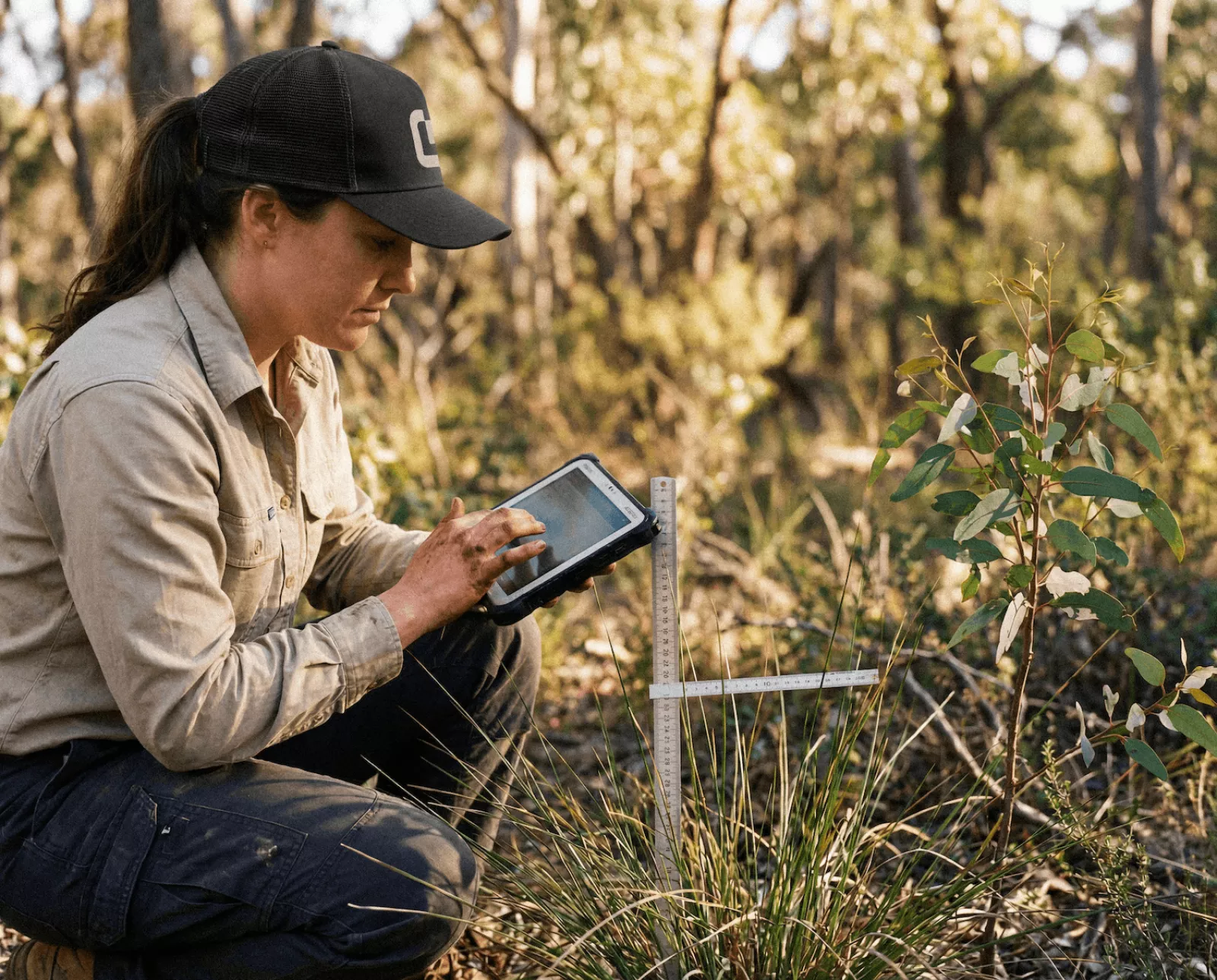
Scientific rigour, practical application
Our environmental scientists bring tertiary qualifications and deep field experience. They understand plant identification, ecological systems, soil dynamics, and long-term succession planning. That expertise ensures restoration work is grounded in what actually works, not just what looks good initially.
Site-specific restoration plans
Every site is different. We assess existing vegetation, weed species, soil conditions, and hydrology before designing restoration approaches. That site-specific planning means work is targeted, efficient and delivers measurable ecological improvement over time.
Long-term management thinking
Restoration isn't a one-time event. We plan for ongoing weed control, succession planting, and adaptive management as ecosystems recover. That long-term thinking means sites continue improving year after year, not just looking good at handover.
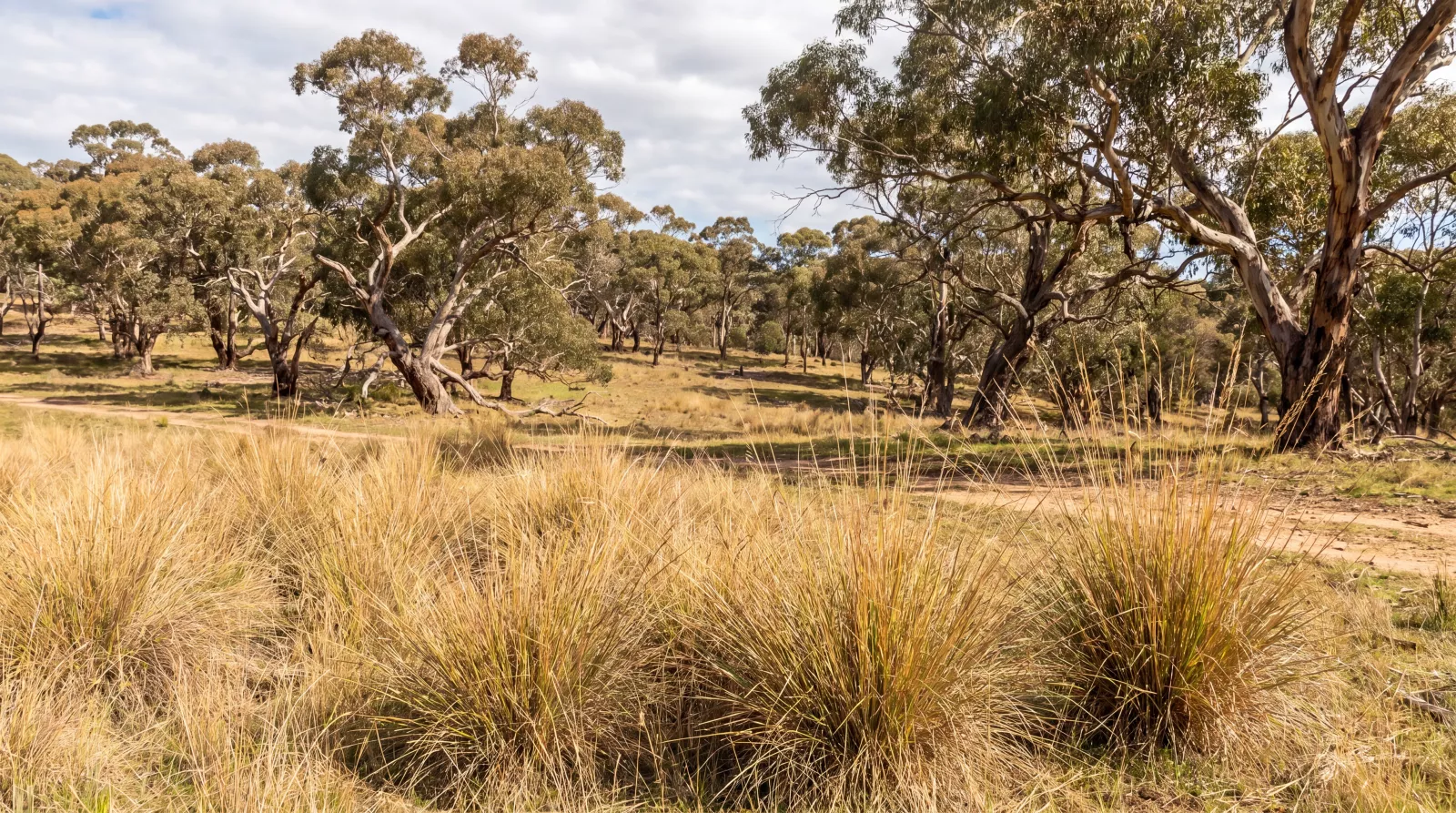
What We Deliver
Our ecological restoration work is specialised and rigorous. We combine environmental expertise with practical field experience, delivering measurable ecological improvement across sensitive conservation sites.
Native ecosystem restoration using indigenous species appropriate to site conditions. Includes weed control, succession planting, and ongoing management for long-term ecological recovery.
Targeted weed control using appropriate methods for each species and site sensitivity. Our team identifies native and invasive species accurately, applying control methods that protect existing native vegetation while managing weed threats.
Habitat protection work that considers threatened species, breeding seasons, and ecological corridors. We work with environmental consultants and regulatory authorities to ensure compliance and best-practice outcomes.
Site assessments, restoration planning, and ecological advice for complex conservation sites. Our environmental scientists provide expert guidance for projects requiring specialized ecological knowledge.
Clients


















Client: Darebin City Council
Darebin Rewilding Program
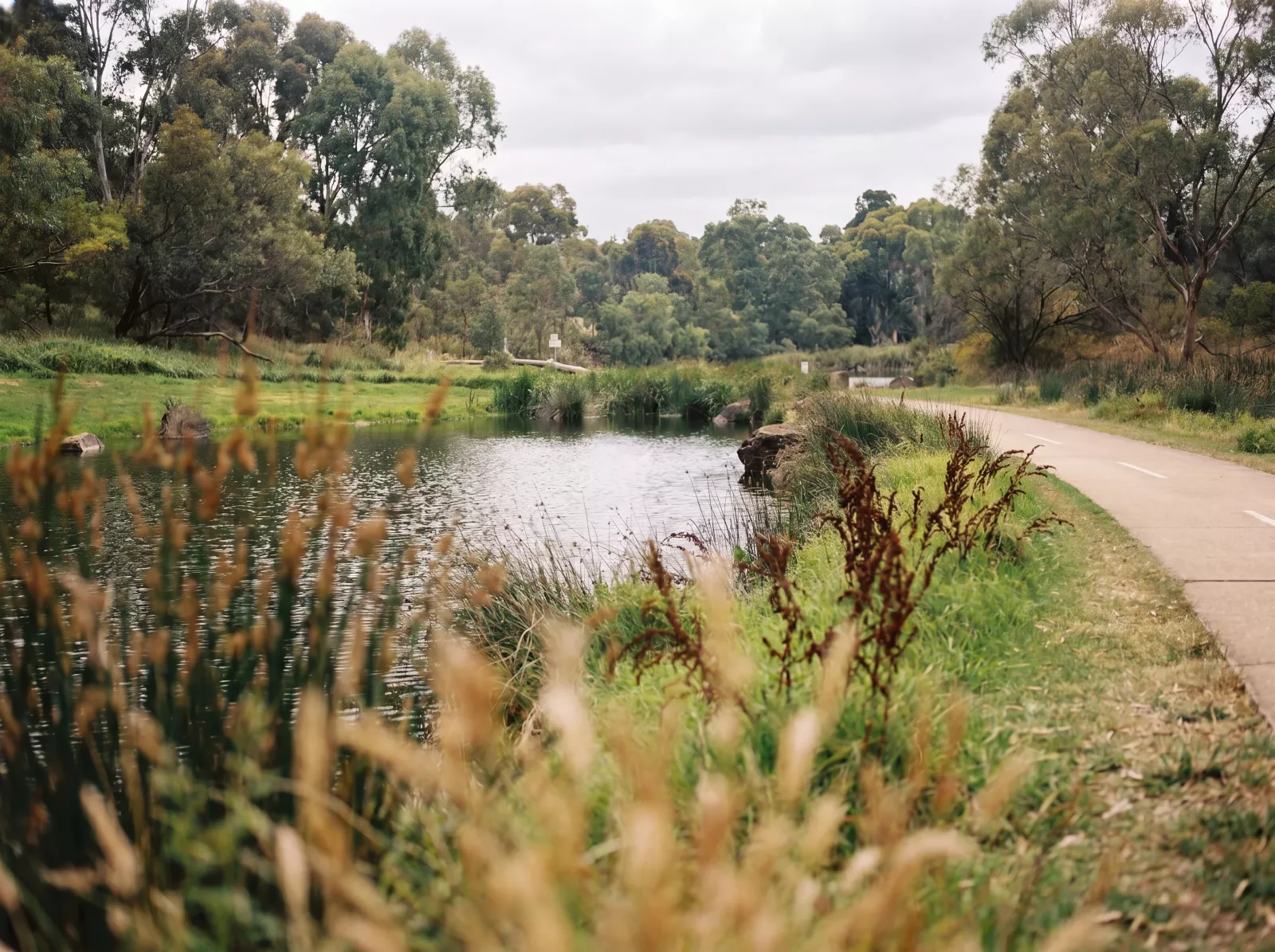
This ongoing rewilding program delivers ecological restoration works across Darebin's creek corridors and municipal reserves, strengthening indigenous vegetation and improving habitat connectivity. Delivery integrates strategic weed control, revegetation, and ongoing site maintenance, supporting consistent outcomes across priority waterway environments.
Project Type
Ecological restoration and rewilding program
Duration
Ongoing multi-year program
Scale
10,000 plus indigenous plants established annually
Client: Private Landholder (aligned with DEECA conservation objectives)
Donnybrook Land Management Plan
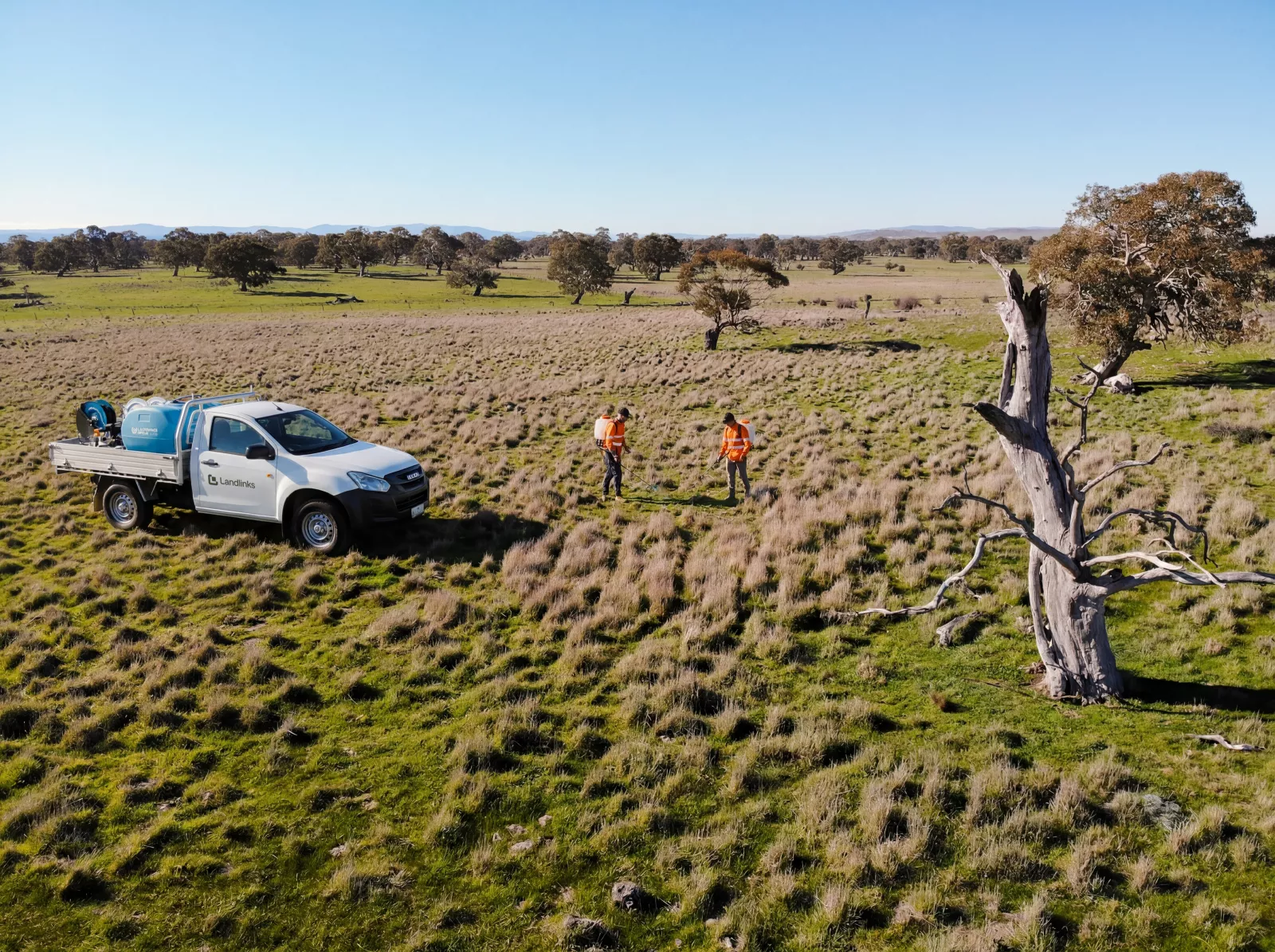
This ongoing land management program delivers the implementation of an approved Land Management Plan across a large conservation zone within a rural holding. Works are delivered through scheduled, repeat quarterly visits, applying targeted weed control and adaptive land management techniques to meet legislative requirements and support long-term ecological improvement.
Project Type
Land management and ecological restoration program
Duration
Ongoing program, active since 2024 with quarterly implementation
Scale
Large conservation zone managed through repeat, site-specific interventions